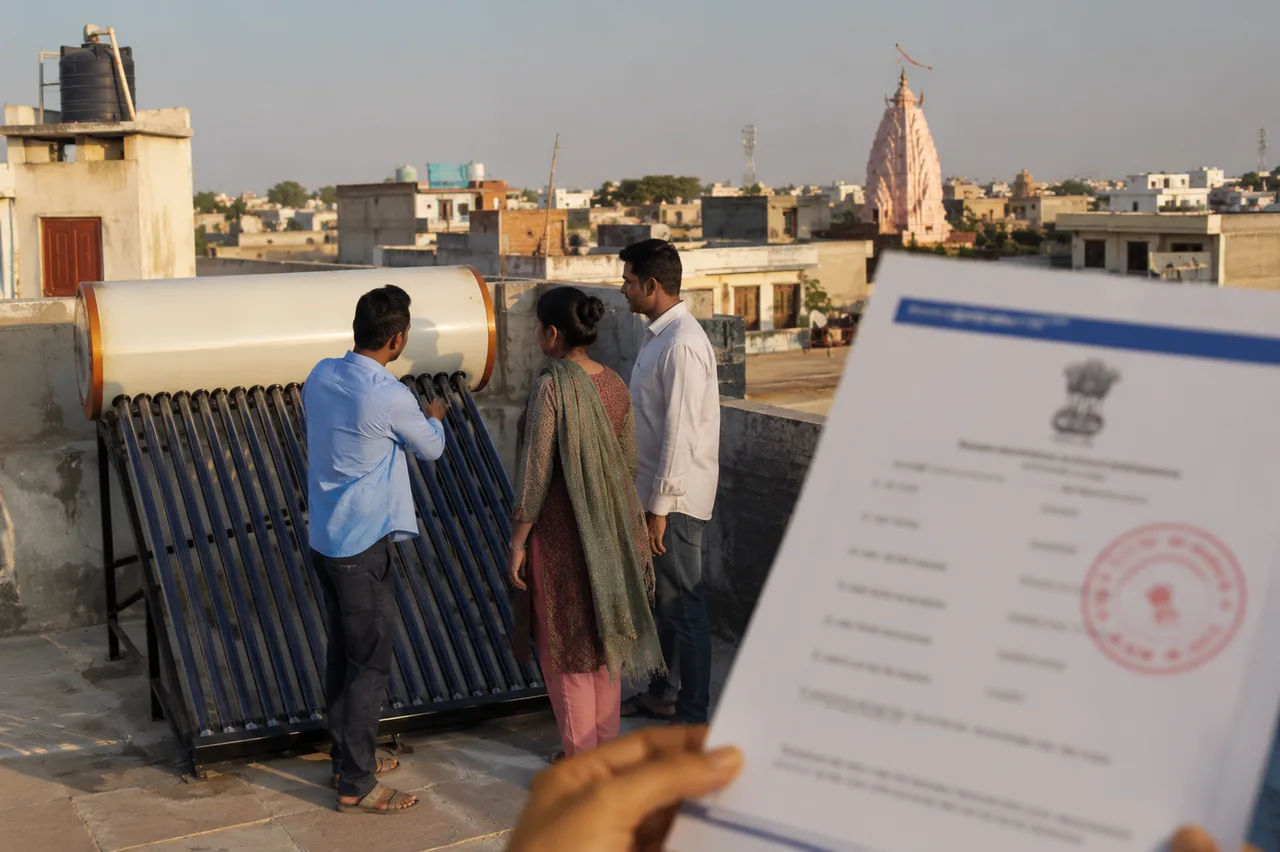
India is in the middle of one of the fastest clean-energy transitions anywhere in the world. Falling equipment costs, supportive policy and rising electricity tariffs have made solar the obvious choice for a growing number of homes, housing societies and businesses — not just large industrial plants.
For 2026, three shifts stand out: more efficient panels, smarter inverters with built-in storage support, and far simpler access to government incentives.
Higher-efficiency panels are now the norm
A few years ago, a 320–350 W panel was typical for rooftops. Today, high-efficiency modules deliver substantially more power from the same roof area, which means smaller, neater installations and quicker payback. For space-constrained urban rooftops, that efficiency gain is the difference between covering 60% and 100% of a household’s consumption.
Storage and smart inverters
Hybrid inverters that can pair with batteries are becoming mainstream. Even where a household isn’t ready for storage on day one, choosing a storage-ready system keeps the door open — useful as battery prices continue to fall and as more areas adopt time-of-day tariffs.
What it means for you
If you’ve been waiting for the “right time” to go solar, the economics in 2026 are compelling. The best first step is a free site survey: it tells you exactly how much roof you can use, what you’ll generate, and what your payback looks like. Our team handles the assessment, design and the subsidy paperwork end to end.